Maundy Relief – We work on the frontline in the community by responding immediately to need.
Why choose pre-loved fashion?
Maundy Relief is supporting Sustainable Fashion Week, therefore we thought it would be good to look into some of the reasons why consumers might choose pre-loved over fast fashion.
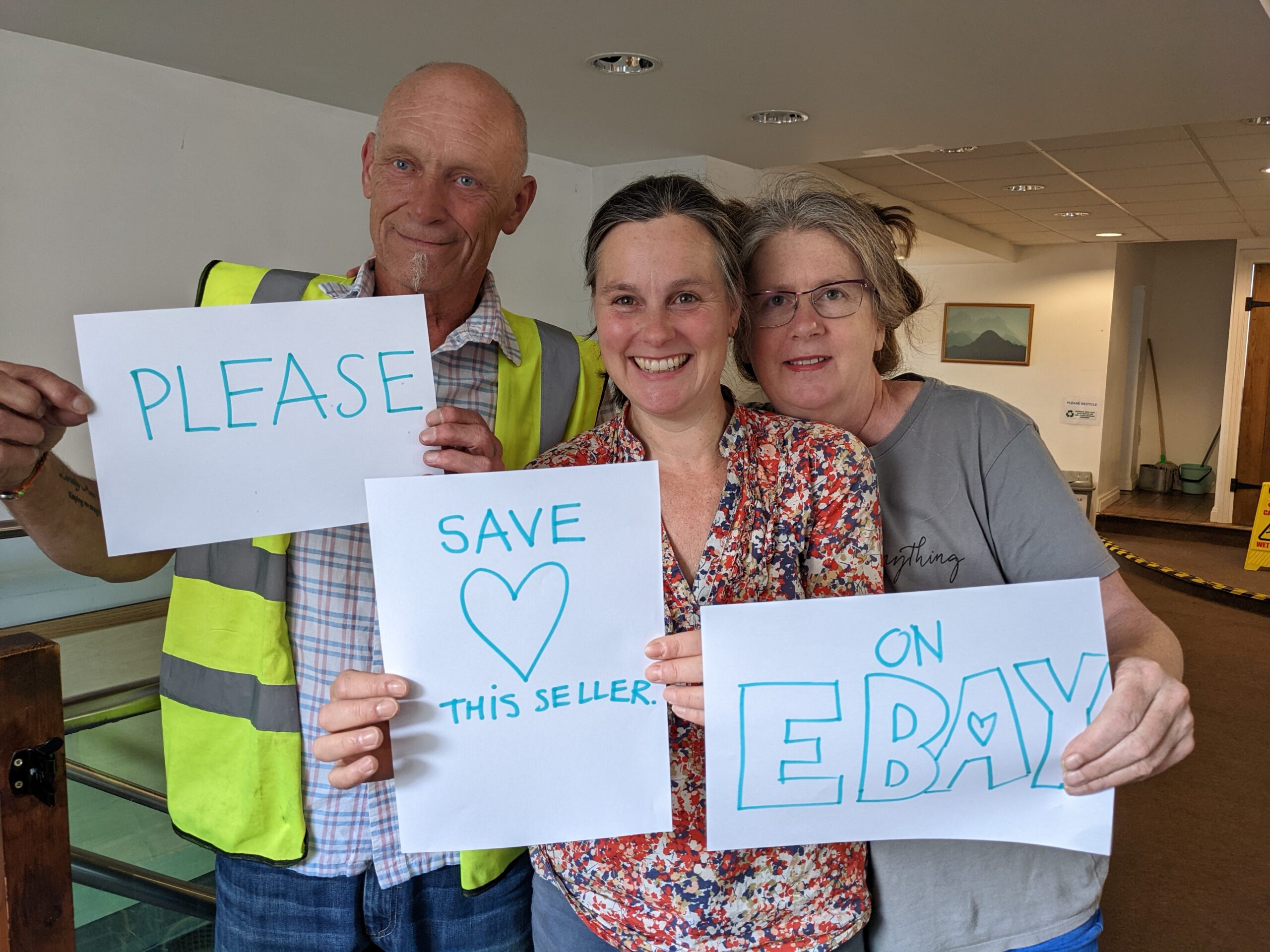
We’ve been running a charity shop for more than twenty years and an ebay store for eighteen months, and there’s so much we love about pre-loved: the delight of finding a quality brand gem at a bargain price; the chance to experiment with vintage and retro; the one-off nature of the proposition and the unique, personal style that pre-loved enables you to create.
Many people’s choice of pre-loved stems from their concerns about the huge environmental and human cost of fast fashion, illustrated by the shocking statistic that fashion is the second most polluting industry in the world… second only to oil (BBC Newsround). Ouch!
Patrick Grant from the Great British Sewing Bee highlighted the sheer scale of fashion over-production/consumption that the planet is facing: we have enough clothing on the planet right now to clothe the next six generations of the human race:
- Clothing production doubled between 2002 and 2015.
- Clothing companies now create more than 1 million garments every day.
- Globally, we consume 80 billion pieces of clothing every year.
- The average garment is worn only ten times before disposal and more than half of the fast fashion produced is disposed of in under a year (Triad.org.uk)
The harsh environmental realities of the fashion industry are, quite simply, staggering:
- 92 million tons of clothing each year ends up in landfills across the world.
- Many fast fashion item are made from synthetic, oil-based fabrics.
- It takes over 2,000 litres of water to make one t-shirt – that’s the same amount of water we drink in 3 years.
- The manufacture of a typical t-shirt generates approximately 7kg of carbon dioxide, the carbon footprint equivalent of a 30 mile car journey (Earth.org).
The majority of our clothes are made by people, usually women, who are often over-worked in unsafe conditions, for a fraction of the living wage they need to be able to feed their family. Some garments are made using child labour and it’s a challenge to know whether or not children have been involved in production, as fast fashion supply chains are complex and difficult to unpick.
Ultimately, over-production and over-consumption are the biggest factors impacting on the sustainability of fast fashion. Buying pre-loved fashion can help to stem demand in the fashion industry and can contribute to a more circular economy based on the 4Rs: Reduce, Repair, Reuse and Recycle.
Maundy Relief’s Ebay Team